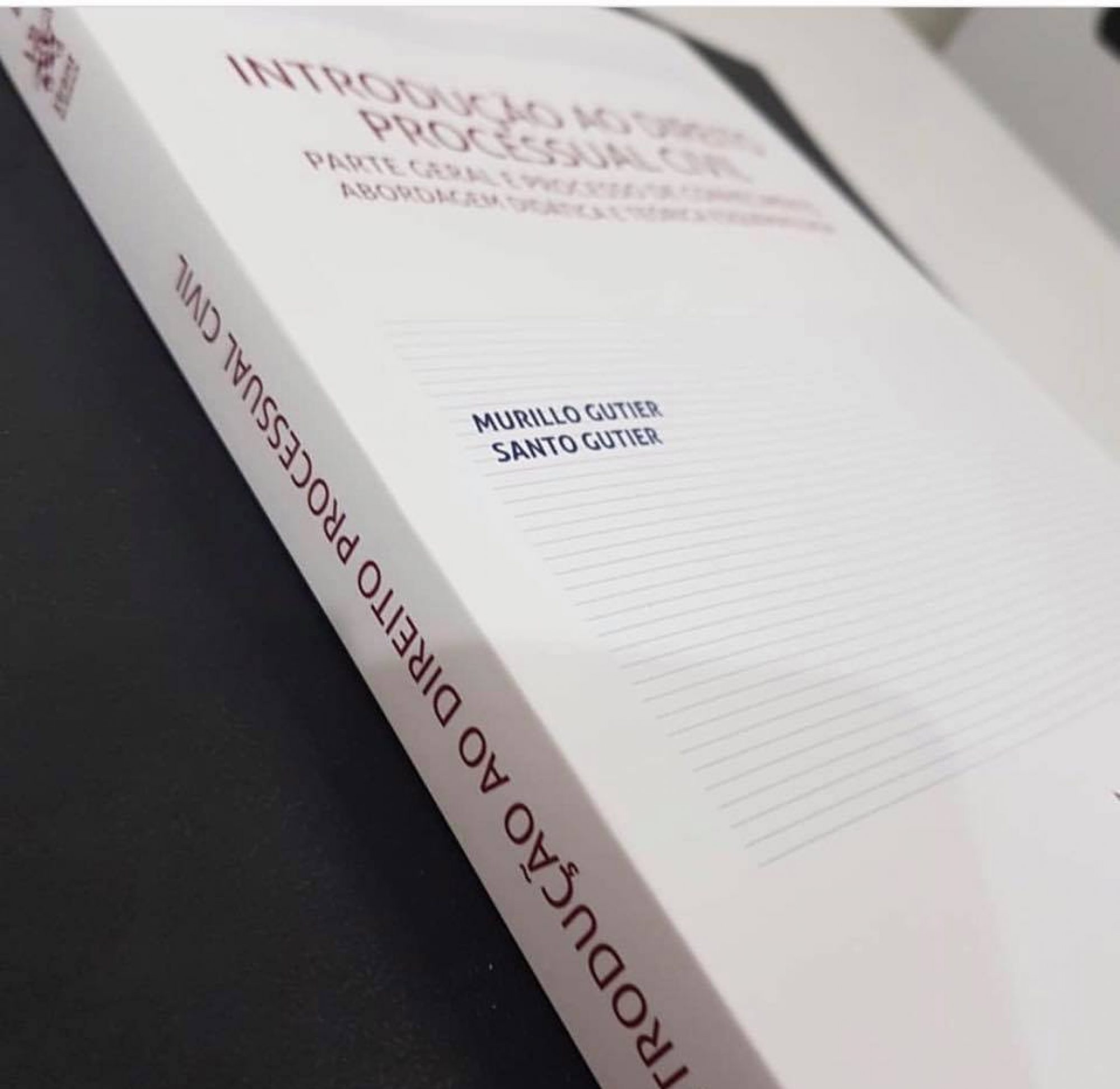

A critical response to the article “A plea bargain agreement cannot prevail over the Constitution,” by Lenio Streck and André Karam Trindade
Murillo Gutier | murillo@gutier.adv.br
Abstract
This article critically examines the thesis that “plea bargain agreements cannot prevail over the Constitution,” advanced by Lenio Streck and André Karam Trindade in the context of ADPF 919/DF. While the proposition is, in the abstract, legally defensible, the analysis demonstrates that the doctrinal silence regarding the objective impartiality of Brazilian Supreme Court (STF) Justices involved in the Banco Master scandal constitutes a principled fallacy. By confronting the principle of nemo iudex in causa sua with the absence of effective mechanisms for controlling judicial recusal at the apex of the Brazilian judiciary, the article argues that ADPF 919 reveals a pattern of supreme anti-republicanism, in which the Constitution is invoked not to limit power but to immunize it. The study draws on comparative law (Germany, the United States, Spain, and Portugal), precedents from the ECtHR, the IACtHR, and the STF itself, as well as contributions from Ferrajoli, Alexy, Häberle, Bobbio, and Loewenstein.
Keywords: judicial impartiality; ADPF 919; plea bargaining; Banco Master; republicanism; nemo iudex in causa sua; judicial recusal; principled fallacy; separation of powers; constitutional law.
Wounded Impartiality - The Republican Limbo of the Brazilian Supreme Court and the Principled Fallacy of ADPF 919 - Murillo Gutier (1 download )